Entrades

ENGLISH CUISINE.

Imatge
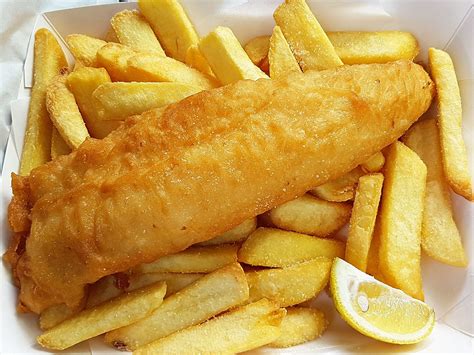
ENGLISH FOOD.  Traditional foods have very ancient origins, such as bread, cheese, roast and stewed meat, patty, vegetables, broths and freshwater and saltwater fish. The fourteenth-century cookbook, Forme of Cury , contains recipes from these origins and dates back to the royal court of Richard II. In 1953, Britain's first celebrity chef, Philip Harben, published Traditional Dishes of Britain. Its chapter titles simply listed " the stereotypical stalwarts of the British diet ", from Cornish pasty and Yorkshire pudding to shortbread, Lancashire hotpot, steak and kidney pudding, jellied eels, clotted cream, and fish & chips. Panayi noted that Harben began with contradictions and unsupported claims, naming Britain's supposed reputation for the worst food in the world, but claiming that the country's cooks were technically unmatched and that the repertoire of national dishes was the largest of any country's. Dishes: Fish & chips: Fish and c...

Traditions in England

Imatge
Guy Fawkes Night Guy Fawkes Night is celebrated on the 5th of November each year. Guy Fawkes was the mastermind of the Gun Powder Plot in 1605, which failed when he attempted to destroy the House of Parliament. These night traditions celebrated famously in East Sussex, and Lewes commemorates this fail by having firework displays, bonfires, torch-lit processions and pagan rituals. Daylight Savings Time It is a tradition observed by England. Clocks are moved back one hour and takes place one week ahead of daylight savings time in America. Shrove Tuesday or Pancake Day If America is famous for its Mardi Gras, England is known for Shrove Tuesday. Shrove Tuesday takes place before the start of Lent and is celebrated by Christians across the country by making pancakes. Pancakes are similar to crepes in England accompanied by golden syrup, sugar or lemon. Christmas Christmas celebrated on 25th December is a big holiday for the British people. The season is ...

Traditon uk. Lenguages.

The UK's de facto official language is English. It is estimated that 95% of the UK's population are monolingual English speakers.5.5% of the population are estimated to speak languages brought to the UK as a result of relatively recent immigration.South Asian languages, including Punjabi, Hindi, Bengali and Gujarati, are the largest grouping and are spoken by 2.7% of the UK population.According to the 2011 census, Polish has become the second-largest language spoken in England and has 546,000 speakers. Scots, a language descended from early northern Middle English, has limited recognition alongside its regional variant, Ulster Scots in Northern Ireland, without specific commitments to protection and promotion. It is compulsory for pupils to study a second language up to the age of 14 in England.French and German are the two most commonly taught second languages in England and Scotland. All pupils in Wales are taught Welsh as a second language up to age 16, or are taught in W...

CANADA

Imatge
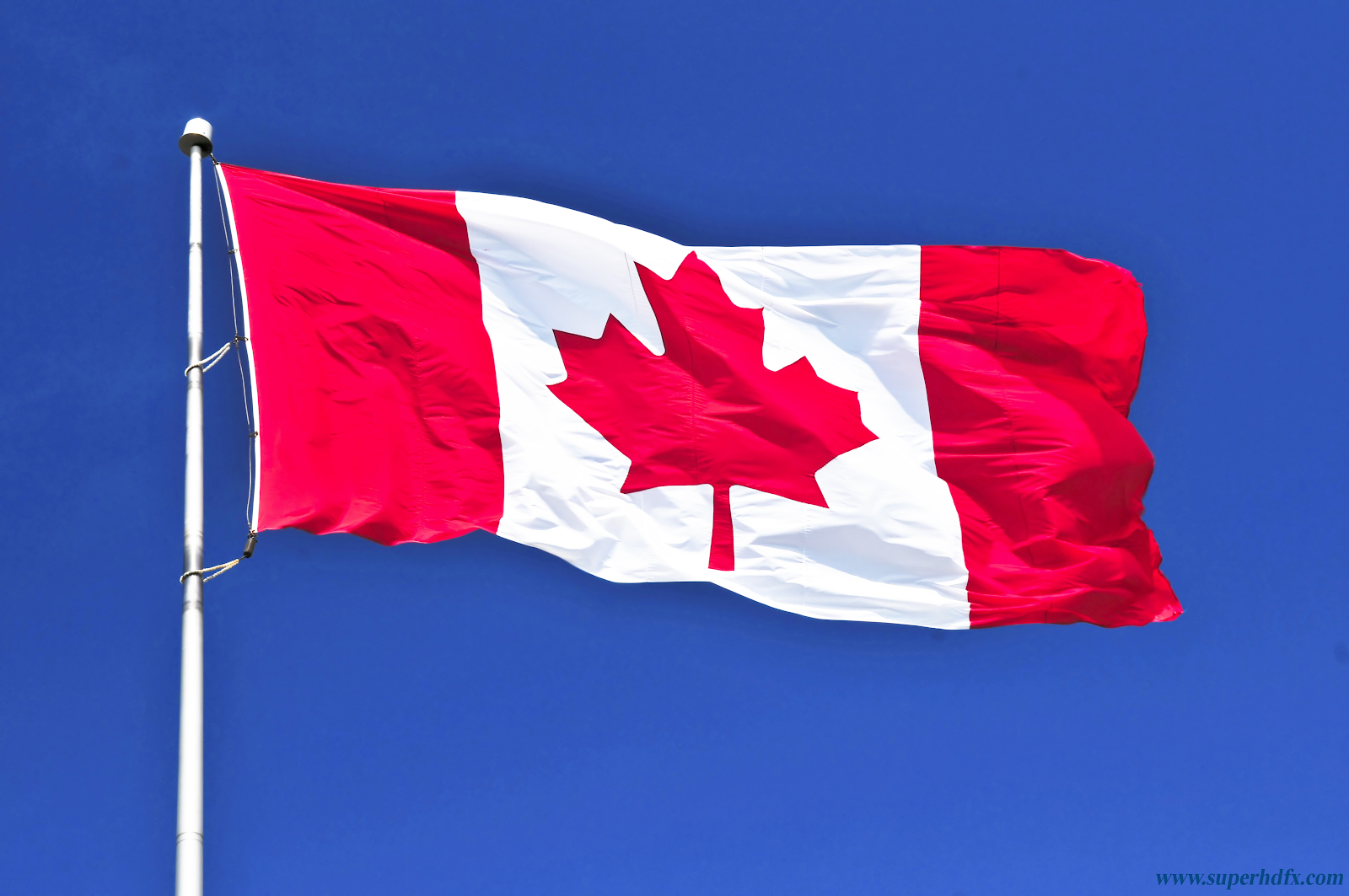
CANADA Flag Motto: A Mari Usque Ad Mare  (Latin) (English: "From Sea to Sea") Capital : Ottawa Largest city : Toronto Official languages : English, French Ethnic groups : List of ethnicities 74.3% European 14.5% Asian 5.1% Indigenous 3.4% the Caribbean and Latin American 2.9% African 0.2% Oceanian Religion: List of religions 67.2% Christianity 23.9% Non-religious 3.2% Islam 1.5% Hinduism 1.4% Sikhism 1.1% Buddhism 1.0% Judaism 0.6% Other ·Government : Federal parliamentary                      constitutional monarchy • Monarch : Elizabeth II • Governor General : Julie Payette • Prime Minister: Justin Trudeau • Chief Justice : Richard Wagner Population: • 2016 census: 35,151,728[5] (38th) • Density: 3.92/km2 (10.2/sq mi) (228th) Total land area : 9,093,507 km2 (3,511,023 sq mi) Currency : Canadian Dollar Location : Canada is a country loc...

AUSTRALIA

Imatge
Name : Commonwealth of Australia Government : Democracy Population : 24.8 million (2018) Urban Population : 90% Capital : Canberra with 390,000 people (2018) Language : English Unemployment : 12.7% Currency : 1 Australian Dollar=100 Cents Religion : mainly Christians Timezones : 3 National Symbols : Golden wattle (flower), opal (gemstone), green and gold (colours) National Holiday : 26 January (Australia Day) Australia is a country in the Southern hemisphere and belongs to Oceania. Australia/Oceania is the smallest continent of the seven continents and many consider it as the largest island in the world, however, Greenland is the biggest island country. Australia is an island continent surrounded by the Indian Ocean and the Pacific Ocean. The country is divided into six states (Southern Australia, Western Australia, New South Wales, Queensland, Victoria and Tasmania) The main cities in Australia are: Sydney, Melbourne, Perth, Brisbane, Darwin, A...

SEPARATION OF POWERS

Imatge
Executive Branch   The executive branch carries out and enforces the laws. This branch includes: - President: who leads the country  he serves a four-year term and can be elected no more than two times. - Vice-president : t he Vice President supports the President and in case the President is unable to lead he becomes President. The Vice President can be elected and serve an unlimited number of four-year terms as Vice President, even under a different President. -The Cabinet:  Cabinet members serve as advisors to the President. They include the Vice President, heads of executive departments, and other high-ranking government officials.They are nominated by President but need to be approved by a simple majority in the Senate.   Legislative Branch The legislative branch  drafts proposed laws , confirms or rejects Presidential nominations for heads of federal agencies, federal judges, and the Supreme Court, and has the authority to declare war. This ...

STATE AND LOCAL GOVERNMENT. Bill of rights.

Imatge
Incorporation, in U.S. law, is the process by which American courts have applied portions of the U.S. Bill of Rights to the states. When it was first ratified, the Bill of Rights only protected the rights it enumerated from federal infringement, allowing states and local governments to abridge them. However, beginning in 1897 with Chicago, Burlington and Quincy Railroad v. City of Chicago, various portions have been held against the state and local government through the Fourteenth Amendment. Prior to the ratification of the Fourteenth Amendment and the development of the incorporation doctrine, the Supreme Court in 1833 held in Barron v. Baltimore that the Bill of Rights applied only to the federal, but not any state governments. Even years after the ratification of the Fourteenth Amendment, the Supreme Court in United States v. Cruikshank (1876) still held that the First and Second Amendment did not apply to state governments. However, beginning in the 1920s, a series of United...